


Self-acceptance is one of the most important lessons a child can learn. It helps children feel comfortable with who they are and builds a strong sense of confidence. When children learn to accept themselves, they grow into more positive and secure individuals. Stories like Rusty the Rooster: A Tale of Feathers, Flair and Finding Yourself help teach this lesson in a simple and effective way.
Young children are still learning about themselves. They are discovering what they like, how they feel, and how they fit into the world around them. During this time, they may compare themselves to others. They may notice differences in personality, interests, or behavior. This can sometimes make them feel unsure or confused.
This is where self-acceptance becomes important. When children understand that it is okay to be different, they feel more relaxed and confident. They stop trying to change themselves just to fit in. Instead, they begin to appreciate their own qualities.
Stories are one of the easiest ways to teach this idea. Children connect with characters and learn from their experiences. When they see a character who feels different but learns to accept themselves, they begin to understand that they can do the same.
In the story of Rusty, the main character feels different from others in the barnyard. He does not act like the other animals. At first, this makes him feel like he does not belong. This is something many children can relate to.
As the story moves forward, Rusty finds a way to express himself. He discovers items that match his personality and make him feel happy. This moment is important because it shows how self-expression leads to self-acceptance.
Children learn that they do not need to hide their true selves. They can express who they are in their own way. This builds a strong sense of identity and confidence.
Another important part of self-acceptance is understanding that everyone is unique. No two children are the same. Each child has their own strengths, interests, and personality. When children learn this, they begin to accept not only themselves but also others.
This helps build kindness and respect. Children who accept themselves are less likely to judge others. They understand that being different is normal.
The role of support is also important. In the story, Rusty’s friends accept him and stand by him. This shows children that they are not alone. Having supportive friends or family can make it easier to accept yourself.
Parents play a key role in teaching self-acceptance. They can encourage children to talk about their feelings. They can remind them that it is okay to be different. Simple words of support can make a big difference.
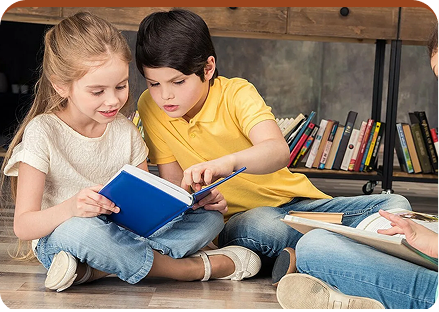
Reading together is another helpful activity. When parents read stories with their children, they can discuss the message. They can ask questions like what makes you special or how did Rusty feel. These conversations help children think and express themselves.
Teachers can also support self-acceptance in the classroom. They can create an environment where every child feels valued. They can use stories to start discussions about differences and respect.
The language used in simple stories makes learning easier. Children do not feel overwhelmed. They understand the message without confusion. This helps them remember the lesson.
Visual elements also support learning. Bright and colorful illustrations help children see the emotions and actions of the characters. This makes the story more engaging and easier to understand.
Self-acceptance also helps children handle challenges. When children are confident in who they are, they are better able to face difficult situations. They do not feel as affected by negative opinions.
This does not mean that children will never feel unsure. It means they will have the strength to handle those feelings. They will understand that it is okay to be different.
In today’s world, children are often influenced by social pressure. They may feel the need to act a certain way to be accepted. This can make self-acceptance difficult. This is why positive messages are important.
Stories like Rusty the Rooster remind children that they do not need to change who they are. They are already enough. This simple message can have a strong impact.
Self-acceptance is not something that happens overnight. It takes time and support. But with the help of simple stories, children can begin this journey in a positive way.
In the end, self-acceptance leads to confidence, happiness, and kindness. It helps children grow into individuals who are comfortable with themselves and respectful of others.
Books that focus on this message are valuable tools. They help children understand themselves and the world around them. They also provide comfort and encouragement.
Rusty the Rooster is a good example of how a simple story can teach an important lesson. It shows that being yourself is something to be proud of. And that is a lesson every child should learn.